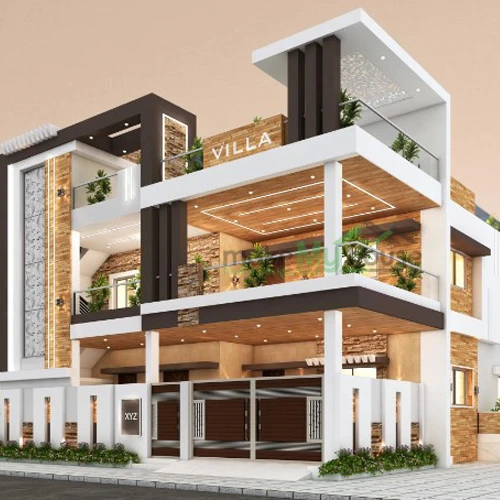
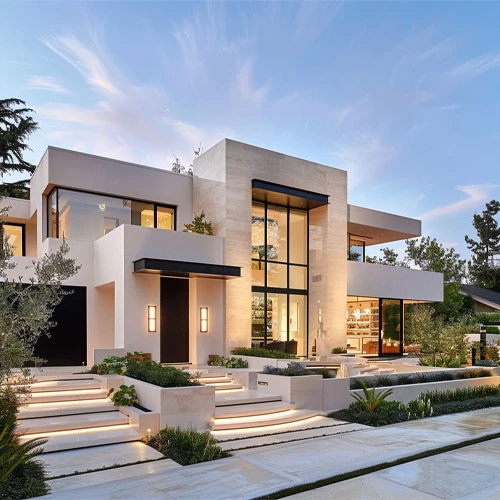
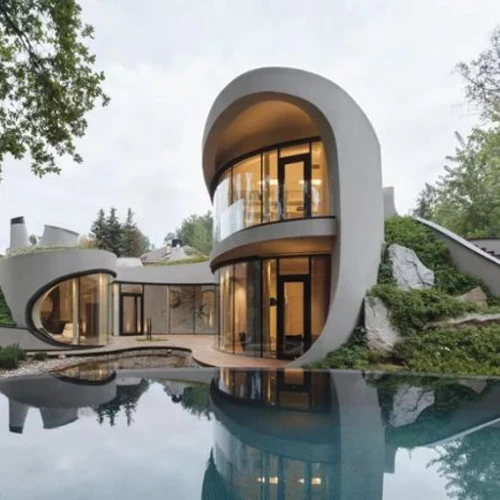
Overall Theme: Describe the overarching design concept or vision behind the architecture (e.g., minimalist, traditional, futuristic).
Design Philosophy: Explain the architectural philosophy guiding the design, such as sustainability, innovation, or harmony with nature.
2. Architectural Style:
Style Overview: Identify the architectural style(s) employed (e.g., Art Deco, Brutalism, Colonial Revival, Contemporary).
Influences: Mention any historical or cultural influences reflected in the design.
3. Building Form and Structure:
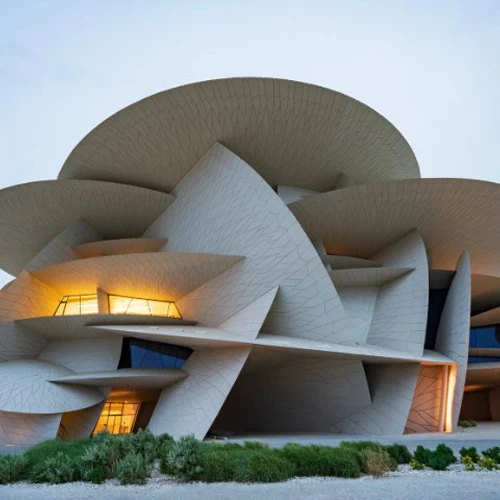
Shape and Massing: Describe the building’s shape, size, and massing. Note any unique or defining geometric forms.
Structural Elements: Highlight key structural components like cantilevered sections, support beams, or archways.
4. Facade and Exterior Features:
Facade Design: Detail the exterior appearance, including material choices (e.g., glass, stone, metal) and architectural features (e.g., balconies, cornices).
Textures and Patterns: Describe textures, patterns, and surface treatments used on the facade.
Windows and Doors: Note the design and placement of windows and doors, including their shape, size, and framing.
5. Materials and Finishes:
Exterior Materials: List the materials used for the building’s exterior and their finishes (e.g., brick, wood siding, stucco).
Interior Materials: Describe interior materials and finishes, such as flooring, wall coverings, and ceiling treatments.
6. Spatial Layout:
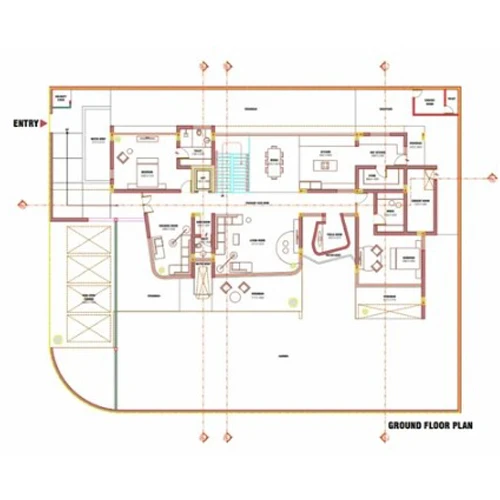
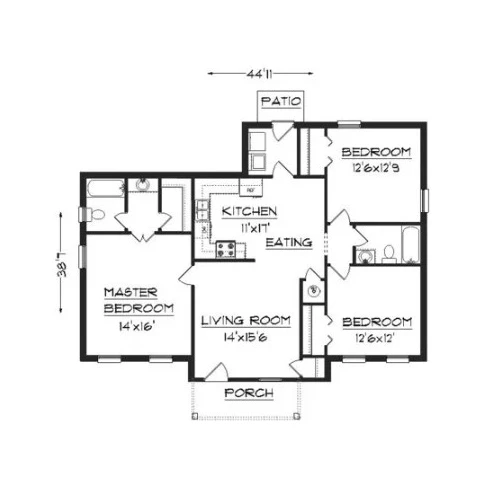
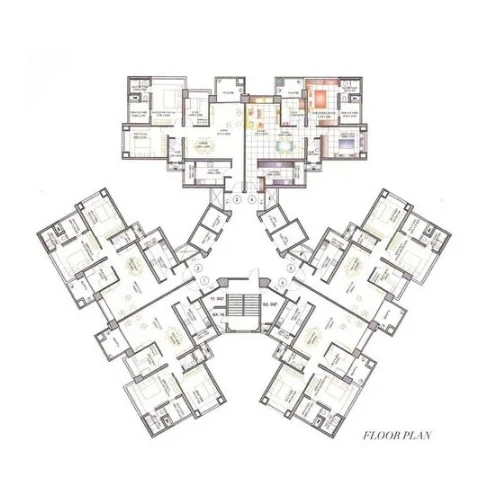
Interior Layout: Provide an overview of the interior layout, including major spaces (e.g., lobby, office areas, residential units) and how they are arranged.
Flow and Connectivity: Explain how the design facilitates movement and connectivity within the building.
7. Lighting and Ambiance:
Natural Lighting: Describe how natural light is utilized in the design, including window placement and light wells.
Artificial Lighting: Outline the artificial lighting scheme, including types of fixtures and their impact on the ambiance.
8. Sustainability and Innovation:
Green Features: Highlight any sustainable design elements, such as energy-efficient systems, green roofs, or solar panels.
Innovative Solutions: Mention any innovative technologies or design solutions incorporated into the building.
9. Context and Integration:
Site Context: Describe how the building fits within its site and surroundings, including how it responds to the local environment or urban context.
Landscape Design: Note any landscape features or integration with the natural surroundings.
10. Special Features:
Unique Elements: Highlight any distinctive or special features of the design, such as a signature atrium, a rooftop terrace, or a sculptural facade element.
Functional Aspects: Include any functional design elements, such as accessibility features or smart building systems.
No review given yet!
KE BUILDERS & DEVELOPERS
+91 9539067755 8086877756