Client Meetings: Conduct meetings with the client to understand their needs, goals, and preferences for the building project.
Site Analysis: Assess the project site, including its dimensions, topography, and any existing structures or conditions that may impact the design.
2. Conceptual Design:
Preliminary Sketches: Develop initial sketches or conceptual drawings based on the client’s requirements and site conditions.
Design Options: Present different design options and layouts for client review, incorporating feedback to refine the design.
3. Detailed Design Development:
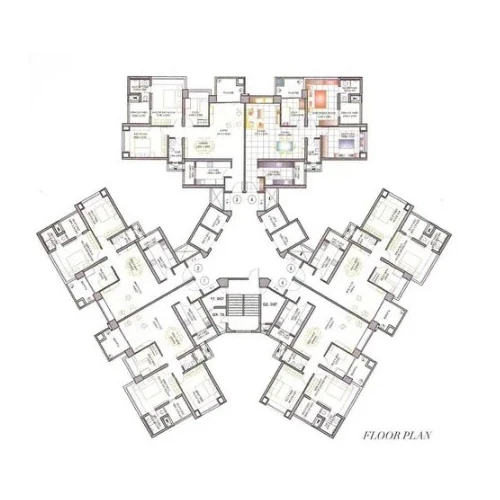
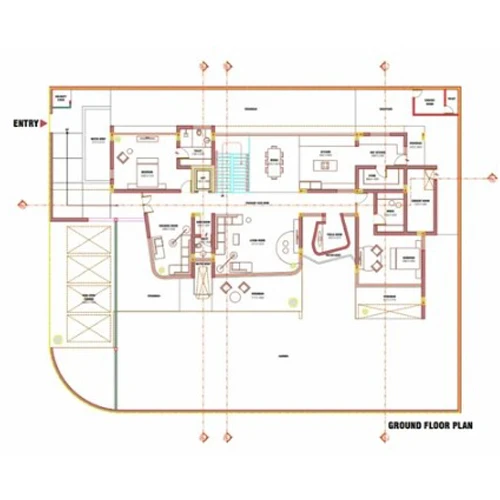
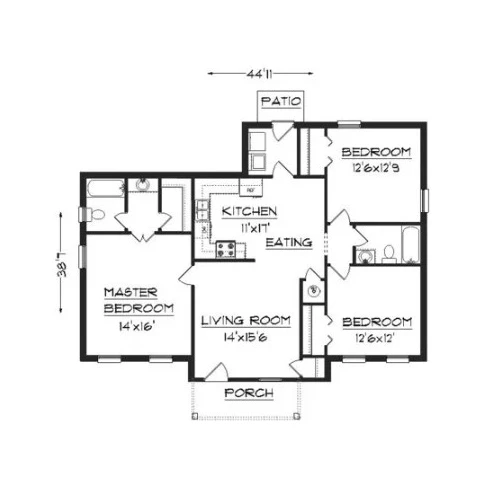
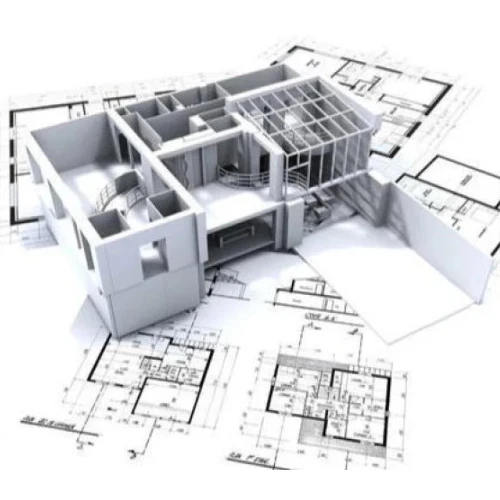
Architectural Drawings: Create detailed architectural plans, including floor plans, elevations, and sections that illustrate the building’s layout and appearance.
Structural Plans: Develop structural drawings that outline the foundation, framework, and load-bearing elements of the building.
Mechanical, Electrical, and Plumbing (MEP) Plans: Design MEP systems, including HVAC (heating, ventilation, and air conditioning), electrical wiring, and plumbing layouts.
Interior Design Plans: Provide detailed plans for interior spaces, including layouts, finishes, and furnishings.
4. Regulatory Compliance:
Building Codes: Ensure that the building plans comply with local building codes, zoning regulations, and other applicable standards.
Permit Applications: Prepare and submit permit applications and other required documentation to obtain necessary approvals from local authorities.
5. Construction Documentation:
Technical Specifications: Prepare comprehensive technical specifications that describe materials, finishes, and construction methods.
Construction Drawings: Provide detailed construction drawings and diagrams that guide contractors during the building process.
Contract Documents: Develop contract documents, including scope of work, schedules, and terms and conditions for bidding and contracting purposes.
6. Project Coordination:
Consultations: Coordinate with engineers, surveyors, and other specialists to integrate their work into the overall building plan.
Design Integration: Ensure that architectural, structural, and MEP plans are well-coordinated and compatible with each other.
7. Revisions and Adjustments:
Design Revisions: Make revisions to the plans based on client feedback, changes in project scope, or unforeseen site conditions.
Update Drawings: Update drawings and documentation to reflect any changes and ensure accuracy.
8. Client Support:
Ongoing Communication: Maintain regular communication with the client throughout the design and planning phases to address any concerns or questions.
Design Clarifications: Provide clarifications and explanations regarding the building plans to the client and contractors as needed.
9. Final Review and Handover:
Final Review: Conduct a final review of all building plans and documentation to ensure completeness and accuracy.
Handover: Provide the client with a complete set of final drawings, specifications, and other relevant documents for use during construction.
No review given yet!
KE BUILDERS & DEVELOPERS
+91 9539067755 8086877756