Client/Owner: Name and details of the business or individual commissioning the work.
Contractor/Builder: Name and details of the construction company or contractor responsible for the project.
2. Scope of Work:
Project Description: Overview of the project, including the type of commercial building (e.g., office, retail, industrial) and the specific work to be performed (e.g., new construction, renovation, fit-out).
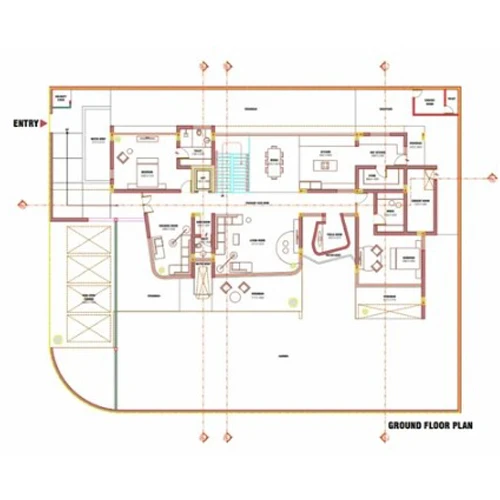
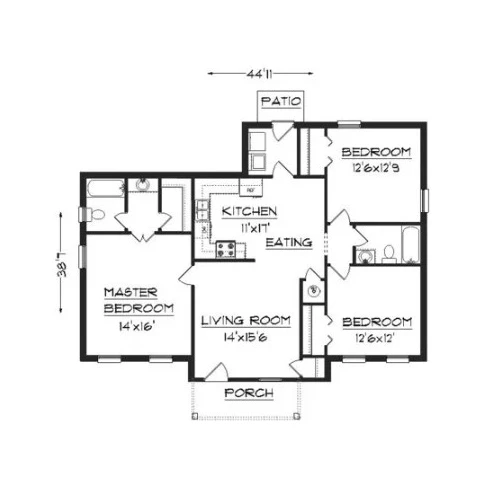
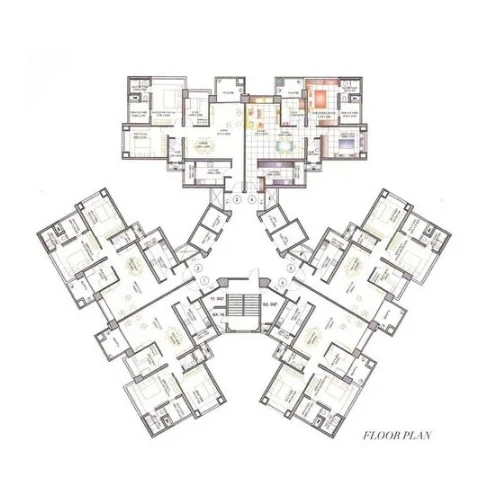
Detailed Specifications: Description of the work to be completed, including architectural, structural, and systems details. Mention any drawings, plans, or specifications that are part of the contract.
3. Contract Type:
Fixed-Price Contract: The contractor agrees to complete the project for a fixed amount.
Cost-Plus Contract: The client agrees to pay for the actual costs of construction plus a fee or percentage.
Time and Materials Contract: Payment is based on the time spent and materials used.
Design and Build Contract: The contractor provides both design and construction services.
4. Timeline and Milestones:
Project Duration: Total length of the project and start and end dates.
Key Milestones: Specific stages of the project with associated completion dates.
5. Budget and Payment Terms:
Contract Value: Total contract amount and how it is calculated (fixed price, estimated cost, etc.).
Payment Schedule: Timing and conditions for payments (e.g., deposit, progress payments, final payment).
Cost Adjustments: Conditions under which costs might be adjusted (e.g., changes in scope, unforeseen conditions).
6. Responsibilities and Obligations:
Contractor’s Responsibilities: Detailed responsibilities, including quality standards, adherence to codes and regulations, and insurance requirements.
Client’s Responsibilities: Requirements for the client, such as providing access to the site, timely decisions, or making payments.
7. Quality Control and Inspections:
Standards: Quality standards and specifications that must be met.
Inspections: Procedures for inspecting work, including who performs the inspections and how issues are addressed.
8. Change Orders:
Procedure for Changes: How changes to the scope of work are handled, including documentation and approval processes.
Cost Implications: How changes impact the budget and schedule.
9. Dispute Resolution:
Dispute Mechanism: Methods for resolving disputes, such as mediation, arbitration, or litigation.
Jurisdiction: Legal jurisdiction under which disputes will be resolved.
10. Warranties and Guarantees:
Warranty Terms: Warranty coverage provided by the contractor for workmanship and materials.
Guarantees: Any additional guarantees offered.
11. Termination Conditions:
Termination Rights: Conditions under which either party can terminate the contract.
Consequences of Termination: Effects on payments, work completed, and any penalties or claims.
12. Miscellaneous Provisions:
Insurance Requirements: Types and amounts of insurance required.
Safety and Compliance: Compliance with health and safety regulations.
Confidentiality: Any confidentiality clauses if applicable.
No review given yet!
KE BUILDERS & DEVELOPERS
+91 9539067755 8086877756